
Section 1: Understanding the Chakras and Their Importance in Achieving Inner Harmony
The concept of chakras, or energy centers, originated in ancient Indian spiritual practices and has gained popularity in the Western world in recent years. These seven chakras are believed to be located along the spine and are associated with different areas of the body and aspects of our being. Each chakra is said to have a specific color, sound, and vibration, and when they are balanced and aligned, they allow for the free flow of vital energy throughout the body.
The chakras are not physical entities, but rather represent the connection between our physical and energetic bodies. They are believed to be responsible for our physical, emotional, and spiritual well-being. When one or more chakras are blocked or out of balance, it can lead to physical and emotional imbalances, manifesting as stress, anxiety, and even physical illness. This is why it is crucial to understand and work on balancing our chakras to achieve inner harmony and overall well-being.
Section 2: How Meditation Can Help Balance Your Chakras
Meditation is a powerful tool that can help us achieve balance and alignment in our chakras. It involves focusing the mind on a particular object, thought, or activity to achieve a state of calm and inner peace. When we meditate, we are able to quiet our minds and connect with our inner selves, allowing us to become more aware of our chakras and their energy flow.
To start meditating for chakra balancing, find a quiet and comfortable place to sit or lie down. Close your eyes and focus on your breath, allowing it to become slow and steady. As you breathe, visualize each chakra, starting from the root chakra at the base of your spine, and moving up to the crown chakra at the top of your head. Visualize each chakra as a spinning wheel of energy, and imagine the color associated with it becoming brighter and more vibrant with each breath.
As you focus on each chakra, you may become aware of any imbalances or blockages. If you feel any discomfort or tension in a particular area, imagine sending your breath to that chakra, and with each exhale, release any negative energy or blockages. You can also use affirmations, such as “I am balanced and at peace” or “I am in tune with my inner self,” to help strengthen and balance each chakra.
Section 3: Other Techniques for Balancing Your Chakras
In addition to meditation, there are other techniques and practices that can help balance your chakras and promote inner harmony. These include:
1. Yoga: The practice of yoga involves physical postures, breathing techniques, and meditation, all of which can help to balance and align the chakras. Certain yoga poses, such as the tree pose or the bridge pose, can specifically target and activate different chakras.
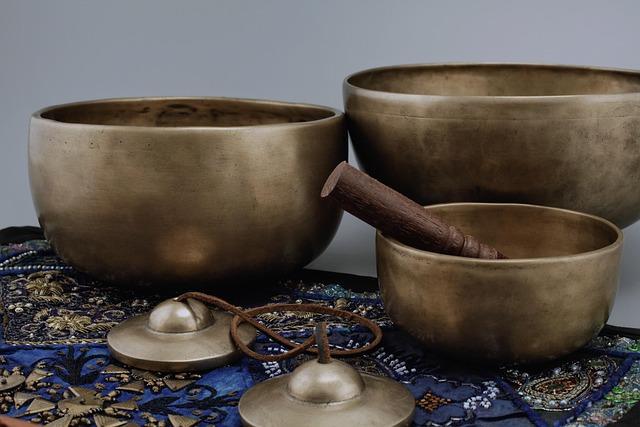
2. Sound healing: Each chakra is associated with a specific sound or mantra, and by chanting or listening to these sounds, we can stimulate and balance our chakras. For example, the mantra for the root chakra is “LAM,” and for the heart chakra, it is “YAM.”
3. Crystal healing: Crystals are believed to have healing properties and can be used to balance and align our chakras. Each chakra is associated with a specific crystal, such as amethyst for the crown chakra and citrine for the solar plexus chakra. Placing these crystals on the corresponding chakra during meditation can help to clear any blockages.
4. Mindful breathing: Similar to meditation, mindful breathing involves focusing on the breath and using it to release tension and negative energy from the body. By taking deep, slow breaths and exhaling fully, we can activate the parasympathetic nervous system, promoting relaxation and balance in the chakras.
Remember, each person’s experience with chakra balancing may be different, and it may take time and practice to achieve complete harmony and alignment. Be patient with yourself and trust the process. By incorporating these techniques into your daily routine, you can unlock the power of your chakras and achieve inner harmony and well-being.